 wendy-anwar
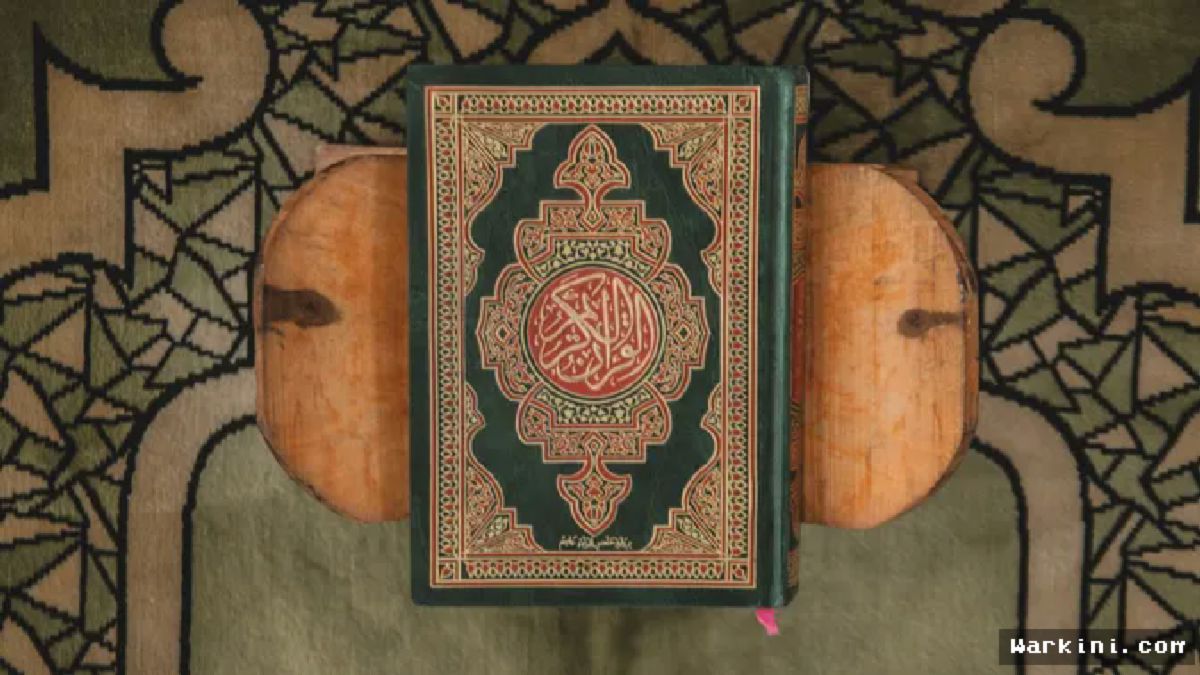
Surat Al-Ikhlas-surat yang sering disebut sebagai
The verses below are presented in a latin script that is easy to read, accompanied by a translating verse. Each verse is paired with its Arabic original so that readers can compare the two and gradually become familiar with the original script.
Qul huwa Allahu ahad
Allah adalah Maha Esa
Allahur Raḥmānur Raḥīm
Dia Maha Pengasih lagi Maha Penyayang
Lā ilāha illā Huwa
Tidak ada tuhan (yang berhak disembah) selain Dia
Lam yalid wa lam yūlad
Dia tidak beranak dan tidak dilahirkan
Surat Al-Ikhlas – Verse 1: Allah Is One (Qul Huwa Allahu Ahad)
Meaning: “Say: He is Allah, the One.”
This opening verse calls upon the Prophet Muhammad ﷺ and, through him, all of humanity to affirm the Oneness of Allah. The word qul means “say,” and huwa refers back to Allah. The phrase Allahu Ahad conveys absolute tawḥīd—the concept that Allah is One and Unique, without partners, without equals, and without any likeness.
This verse is the foundation of Islamic belief in the Al-Ikhlas Latin reading. It is a profession of faith that is recited in prayer from the opening chapter, and is said three times after the obligatory prayers. Children in Madrasah and BQM (Buku Qur'an Murah) classes learn this verse first before progressing to longer surahs.
Verse 2: The Most Compassionate (Allahur Raḥmānur Raḥīm)
Meaning: “Allah, the Most Compassionate, the Most Merciful.”
The second verse describes Allah as Ar-Rahman and Ar-Rahim, the Most Compassionate and Most Merciful. These are the same names mentioned in Al-Fatihah, the first chapter of the Qur'an. It is a reminder that although Allah is Esa (One), His mercy and compassion are boundless and extend to all His creation.
Verse 3: No God But Allah (Lā Ilāha Illā Huwa)
Meaning: “There is no deity (who has the right to be worshipped) except Him.”
This verse rejects all forms of shirk (polytheism) and affirms that Allah alone is worthy of worship. The phrase lā ilāha illā Huwa is not merely a statement of belief; it is a declaration of tauhid that distinguishes Islam from other faiths. It is the first part of the shahada, the Islamic testimony of faith.
Verse 4: Eternal, Unborn (Lam Yalid Wa Lam Yūlad)
Meaning: “He does not beget, nor is He begotten.”
This final verse answers the misconceptions of some Quraysh of the Prophet's era who believed that Allah had a son, and compares Allah to His creation. The verse affirms that Allah has no beginning, no end, no parents, and no children. It is a profound statement about Allah's Essence (Dzat) that transcends human comprehension.
Benefits of the Al-Ikhlas Latin Recitation
- Equivalent to one-third of the Qur'an: The hadith narrated by Abu Darda' رضي الله عنه states that reciting Surat Al-Ikhlas is equivalent to reciting one-third of the Qur'an.
- Protection: Reading it three times in the morning, evening, and after the fard prayer is a form of adzkar (remembrance) for protection.
- Summary of Islamic belief: It contains the core principles of tauhid in just four short verses.
- Easy for beginners: The Latin format makes it accessible for those who are still learning membaca (reading) the Al-Qur'an.
With its brevity and profound meaning, Surat Al-Ikhlas remains one of the most beloved chapters of the Qur'an. Whether you are reading it as part of your Al-Ikhlas Latin learning exercise, teaching children in TPQ, or reciting it in your personal ibadah (worship), may the verses bring you closer to the understanding of Allah's Oneness and Mercy.















Comments (0)