 sasha-gunawan
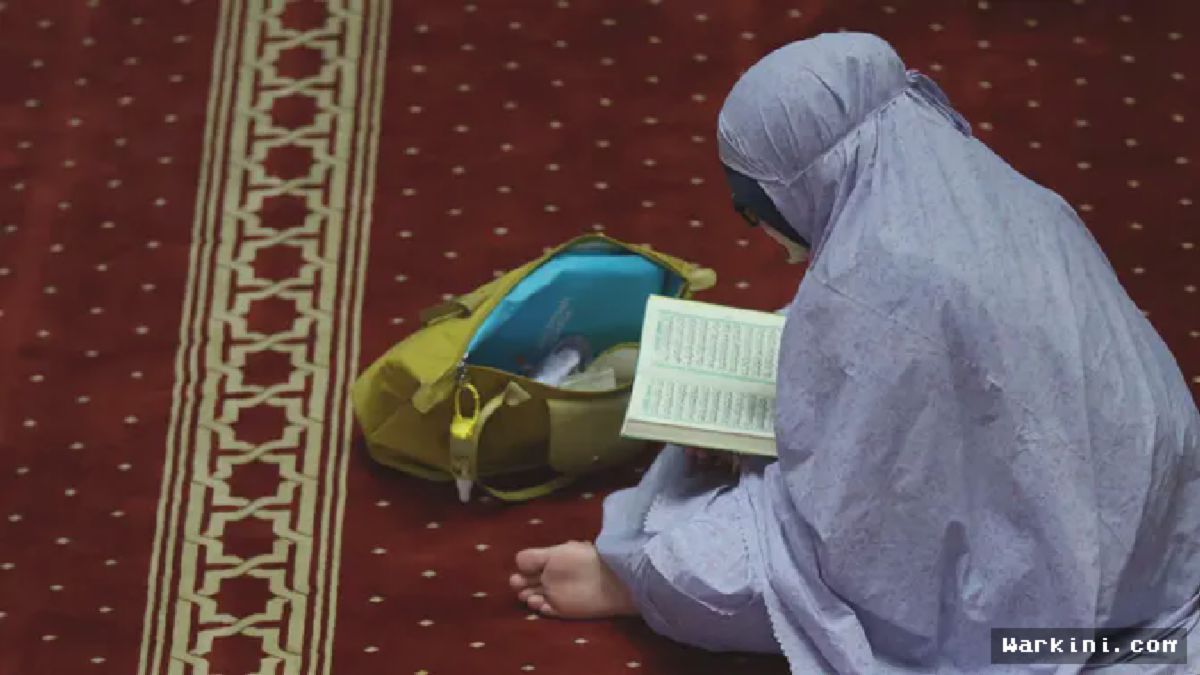
Thousands of worshippers lined up inside and around Masjid Istiqlal in Jakarta on Thursday (19/2/2026) to join the tadarus gathering marking the first day of Ramadan 1447 Hijriah. The scene captured in photographs shows men and women seated in rows, heads bowed over mushaf pages, reciting the Quran in unison as dawn broke over the capital.
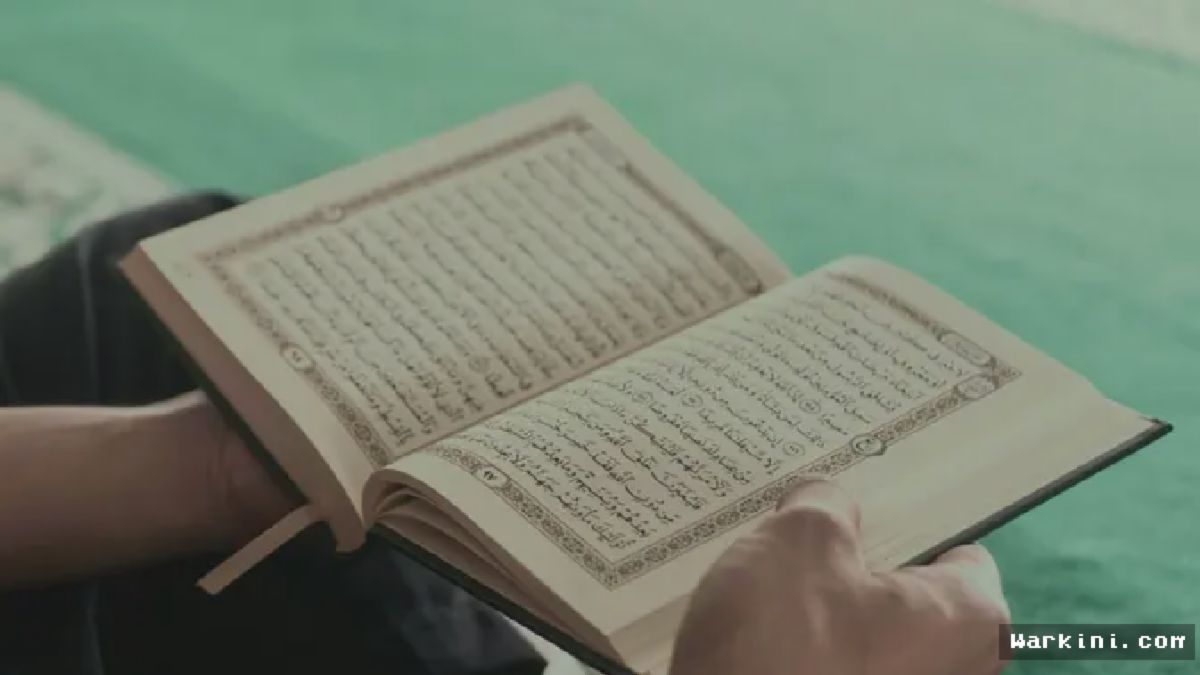
Tadarus — from the Arabic word tadabbur, meaning to reflect, contemplate, and follow closely — has long been a familiar ritual among Indonesian Muslims. The practice is simple in form: a group opens the Quran at a designated juz, recites aloud in chorus, and continues until the segment is completed. There is no sermon, no choir, and no stage. Only voices, pages, and a sense of collective rhythm.
"Tadarus ituicator{Mosjid Istiqlal} — Istiqlal" — observe that the mosque's regular Thursday night Quran study sessions have drawn ever-growing crowds in recent years, with worshippers often filling the main prayer hall well before Maghrib.
One Juz a Day, Thirty in a Month
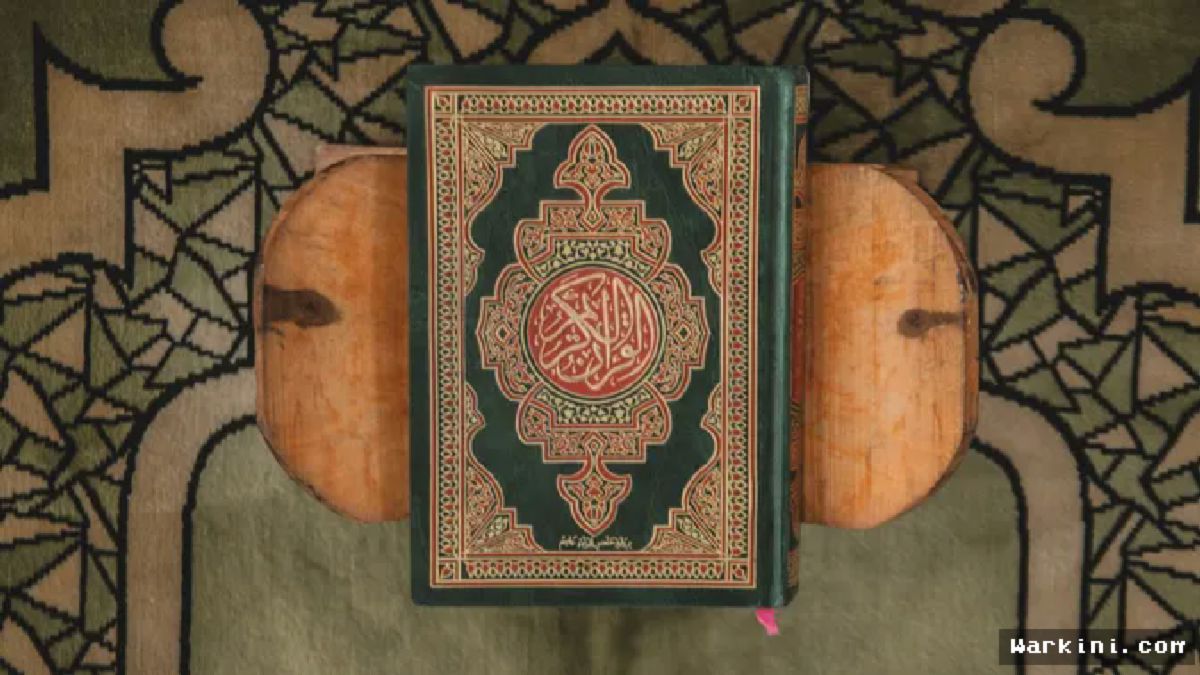
The most common commitment among tadarus participants is the ambitious one: read one juz per day. A juz contains roughly twenty pages, so completing thirty in a single Ramadan means finishing the entire 604 pages of the Quran within one month. Many attendees say this daily target is what gives the fasting month its structure — a quiet, measurable goal layered on top of the physical discipline of Ramadan itself.
Others take a lighter path. Some read a few pages after Subuh, some attend a single session per week, some simply listen without following along. In practice, Masjid Istiqlal's tadarus circles have become strikingly mixed: retirees, students, office workers on leave, and parents who bring children along to sit in the same row.
Why the Practice Endures
Tadarus is less about the quantity of pages read than about the habit of returning. Observers note that a daily appointment with the Quran functions much like any other routine commitment — the harder day is not the first, but the twenty-eighth, when the juz being recited is no longer a fresh start but a finishing line.
For the broader community, the activity also serves a social function. Tadarus sessions double as a gathering point, a place where Muslims from different neighbourhoods converge at the same hour, and where the calendar's most crowded month still produces a shared, quiet hour.
The First Day, Documented
The photographs made on the morning of Ramadan 1447 H register something worth preserving: a room full of ordinary people doing an ordinary devotional act with unusual seriousness. The lights were still on, the recitation had begun, and the calendar had officially turned.
Tadarus is not new, and it will not be new next year. What changes is the room, the crowd, and the particular juz each person happens to open.













Comments (0)